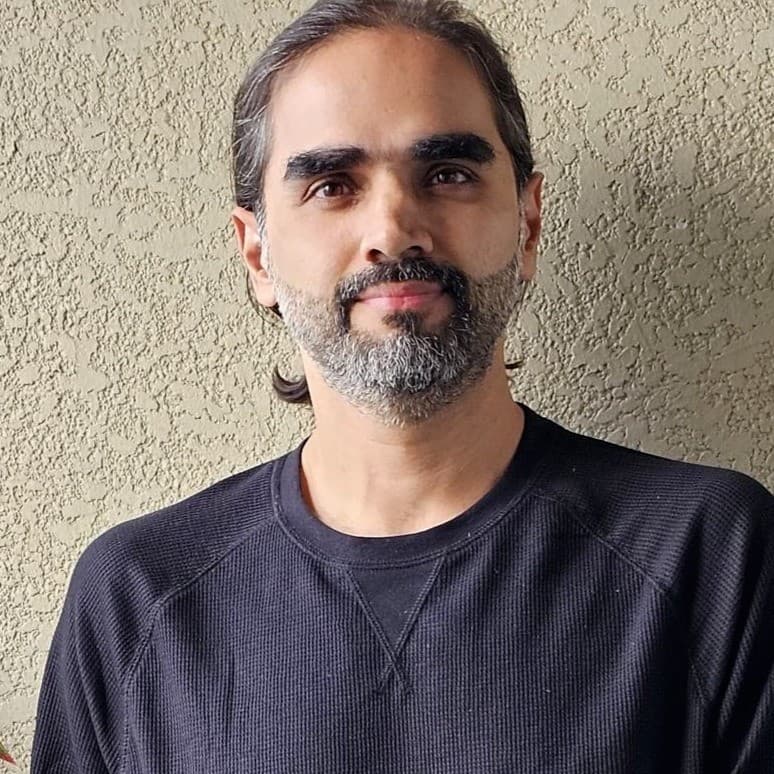
Rajeev Belani

About

Two platform shifts, twenty-two years apart.

Rajeev Belani

I have been building software since 2004, which means I shipped my first mobile applications onto BlackBerry and J2ME handsets three years before the iPhone existed. That timing turned out to matter more than I understood at the time: I learned early that being useful on a new platform beats waiting for it to settle.

Most of what I have done since has followed the same shape. I am currently with XY Retail, putting AI onto a fashion platform that already has stores. As CTO of Moneycontrol, part of Network18, I built a lending business inside a media company because the audience data was already there and nobody had asked what else it could do. At a pharmacy chain, twenty years of prescription records turned out to predict local disease outbreaks well enough to change how stores were stocked and where new ones opened. In the newsroom, agent systems researched and drafted at real volume — and every publish waited for an editor. None of that was on a roadmap when I arrived.

How I work

I have led engineering organisations that ship — the largest was 120 people across platform, mobile, data and security. The people who design the work should still be in the room while it is delivered. I look for operators who can write the constraint down: who owns this, what it may touch, what the approver sees, and what happens when it is wrong. I do not hire for a demo.

Under pressure I would rather pause a write than protect a timeline. A system that cannot wait for a person is not ready, no matter how good the model looks. I will not sign a percentage guarantee on work that is never actually handed over, and I will not open with a platform sale when the licences you already hold will do.

I also founded Onroll. I disclose that on every engagement, because advice from someone with a product to sell is only worth having if they will tell you when not to buy it.

What I am doing now

I am currently with XY Retail, putting AI onto a fashion platform that already runs 1,300 stores in more than 50 countries. The work is the product, and it has to survive contact with merchandising, demand and a shop floor.

Network18 brought me back after the CTO tenure ended, for AI implementation through April 2026 — editorial and back office, on the licences the group already held. Training sits alongside client work rather than around a full-time job.

I write a column for Moneycontrol on AI and the future of work — the apprenticeship it quietly removed, the billing model it broke, and the office it was never designed for. Most of what I argue there comes from having had to ship the thing rather than forecast it.
Away from the work

A daughter

I am a father to a daughter, which has taught me more about handing work over than any organisation did. You explain the constraint, you let them do it, and you resist the urge to take the keyboard back. It turns out that is the whole job.

Coffee, at length

I am tiresome about coffee. Beans, grind, water temperature, the lot — the same instinct that makes me ask what the approver sees, pointed at something that does not matter at all. Everyone around me has learned not to ask.

Don’t Panic

My favourite book is The Hitchhiker’s Guide to the Galaxy, and I do not think that is unrelated to the day job. It is a book about a spectacularly powerful computer that produces a technically correct answer nobody can use, because nobody did the work of understanding the question first. I have watched that happen in enterprises with a straight face. Douglas Adams got there in 1979.

The papers, the long way

I still read the papers the long way. The newsroom years left a habit of asking, before anything goes out, who owns this and what happens if it is wrong.

The question first

I read philosophy the way I read a specification — looking for the constraint someone hid in a clean sentence. Most bad systems fail the same way most bad arguments do: they answer a question nobody actually asked.

A convincing interface

I like The Matrix for the same reason I like the Guide. It is a film about a demo that looks like the building. I have sat in rooms where everyone agreed the simulation was the work, and the hard part was saying so without sounding like you wanted a red pill for a living.

Skills, as a file

I spend my days writing agent skills — a file that says what a thing is for, when to use it, and when not to. It seemed only fair to publish my own. It is real: /skills.md serves it as plain text, so an agent reading this site on your behalf gets something it can actually parse. The other file is the gate I make you write before anyone builds: /gate.md.

skills.mdraw
---name: rajeev-belaniversion: 2026.09license: Ask first.description: Twenty-two years putting new platforms into organisations that already have work, people and rules. Use for engineering leadership at national scale, for getting AI past a pilot, and for designing the approval step that lets it ship.---

# Rajeev Belani

## When to use this skill

  • A platform has to be rebuilt while it keeps running, and there is no maintenance window.
  • An AI pilot works in the demo, will not survive production, and nobody can say precisely why.
  • You are sitting on years of operational data and no one has asked what else it could do.
  • An engineering organisation ships slowly and the diagnosis keeps coming back as “process”.
  • Risk and compliance are blocking a launch, and they are right.

## When NOT to use this skill

  • You want a percentage efficiency guarantee on work that is never actually handed over.
  • You need someone to validate a decision that has already been made.
  • You want a platform purchase when the licences you already hold would do.
  • You want the model swapped and nothing else changed.

## Capabilities

  • Platform engineering at national scale — news, health, lending, and fashion retail.
  • Cloud migration on a live system, with no maintenance window.
  • Agent systems with an approval step that risk will actually sign.
  • Building and leading engineering organisations to 120 people across platform, mobile, data and security.
  • Turning two decades of operational records into a forecast somebody acts on.
  • Teaching the method so it survives the person who designed it.

## Constraints

  • Pauses the write rather than protects the timeline. A system that cannot wait for a person is not ready.
  • Puts the approver in the first room, not the last one.
  • Discloses commercial interest before advising, every time.
  • Will not open with a platform sale when what you already own will do.

## Known failure modes

  • Ships the visible part first. Moved application servers before the cache and the warehouse, which were the actual constraint.
  • Lets a model sound confident at a grain the sample cannot support. Now publishes the uncertainty alongside the forecast.
  • Makes the obvious half look finished while the integrations — always the real work — wait.
  • Builds the product surface before writing the specification that made it honest.
About — Rajeev Belani